Mimosa Hostilis Root Bark: A Guidebook to Origins and Uses
Wiki Article
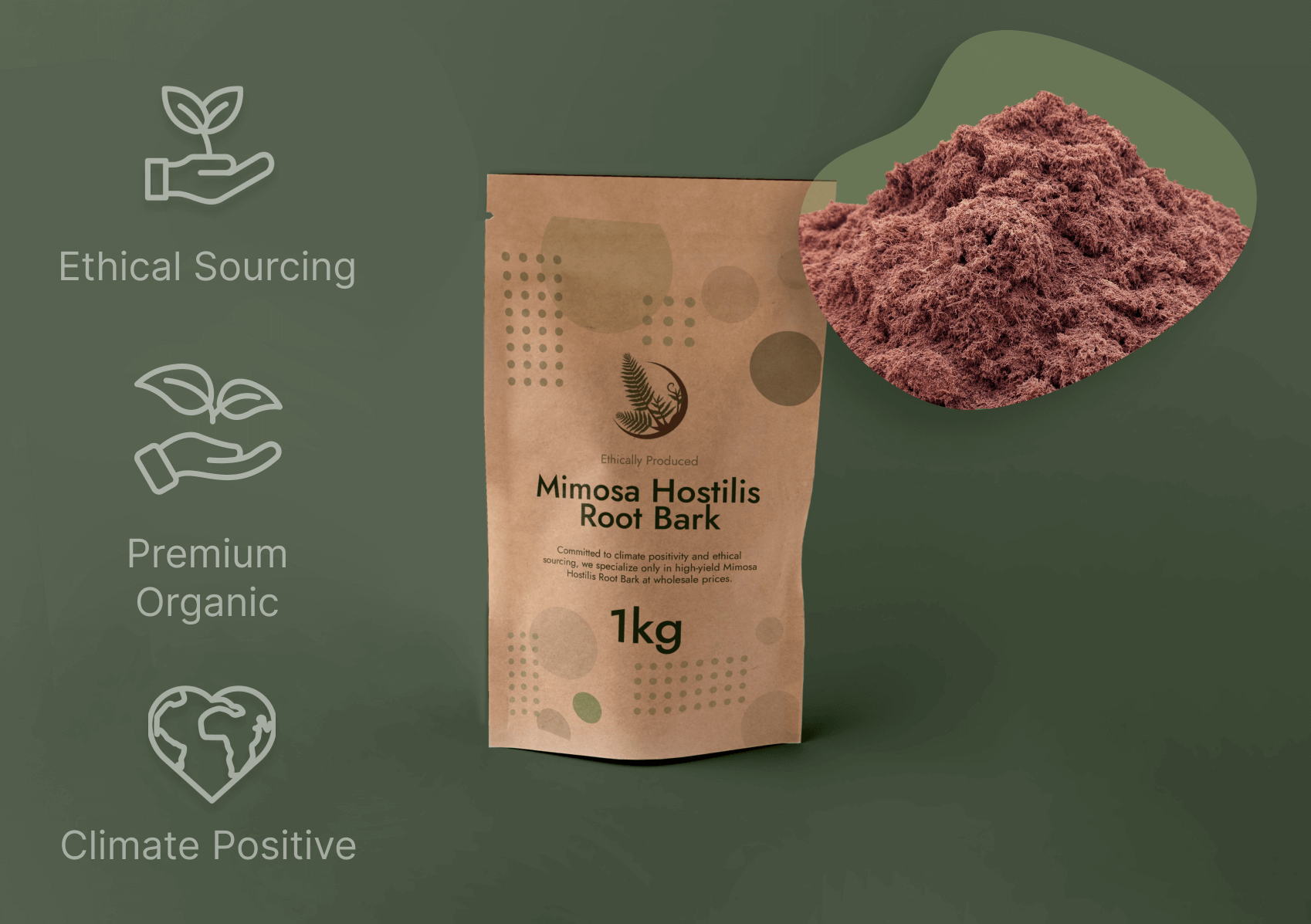
Mimosa Hostilis Root Bark retains a substantial area in traditional practices and contemporary botanical purposes. This information explores the features, origins, and customary questions encompassing this outstanding plant product, with a particular concentrate on the prized Brazillian Mimosa Hostilis Root Barks.
What is Mimosa Hostilis Root Bark?
Mimosa Hostilis, scientifically referred to as Mimosa tenuiflora, is a perennial tree native on the northeastern location of Brazil and parts of Mexico. The foundation bark of this tree continues to be utilized for hundreds of years by indigenous communities for various useful and common purposes. The inner root bark contains notable concentrations of tannins, alkaloids, as well as other phytochemicals that contribute to its exclusive properties and programs.
The tree by itself is remarkably resilient, capable of surviving in bad soils and drought situations. This hardiness contributes towards the robust nature of your bark and its chemical profile. When harvested sustainably, the outer root bark is very carefully separated to access the precious interior bark, that is then dried and ready to be used.
Brazilian Mimosa Hostilis Root Bark: The Gold Conventional
When discussing high quality in Mimosa Hostilis items, the Brazillian Mimosa Hostilis Root Barks are typically considered remarkable from the botanical sector. Quite a few variables contribute to this name:
Ideal Expanding Circumstances
The particular soil composition, weather, and ecosystem of Brazil's northeastern region make best conditions for Mimosa tenuiflora to establish its full chemical likely. The mineral-rich soils and individual pattern of rainfall and sunlight in this region seem to boost the focus of Energetic compounds in the basis bark.Standard Harvesting Awareness
In regions in which Mimosa Hostilis has actually been utilised ordinarily, harvesters have designed innovative methods for sustainable harvesting that preserves both equally the tree along with the potency with the bark. This information, passed down by generations, makes certain that the bark is collected at the correct time of 12 months and processed applying strategies that manage its integrity.Distinct Bodily Qualities
Brazilian Mimosa Hostilis Root Bark typically displays a abundant reddish-brown to purple inner bark by using a fibrous, dense texture. The Visible attributes usually serve as an initial indicator of good quality, with experienced people recognizing the unique physical appearance of bark from this region.
Prevalent Programs and Makes use of
The applications of Mimosa Hostilis Root Bark span both equally traditional and contemporary contexts, even though It is really very important to be familiar with the lawful status of these works by using varies by nation and jurisdiction.
Regular Craft and Practice
Indigenous communities have Traditionally utilised Mimosa Hostilis Brazillian Mimosa Hostilis Root Barks Root Bark for developing pure dyes for textiles, with the bark producing gorgeous shades of purple, burgundy, and deep brown. The tannin-loaded Qualities also built it worthwhile for leather-based tanning along with other simple applications.Modern Botanical Research
Modern curiosity in Mimosa Hostilis Root Bark extends to varied fields of botanical investigate, particularly learning its chemical composition and probable apps. Scientists have determined many appealing compounds in the bark that warrant even more scientific investigation.Horticultural and Agricultural Makes use of
In permaculture and sustainable agriculture, Mimosa tenuiflora is valued like a nitrogen-fixing species that could boost soil top quality. The bark by itself, when processed, can be utilized to be a natural mulch or soil amendment in particular agricultural contexts.High-quality Evaluation and Identification
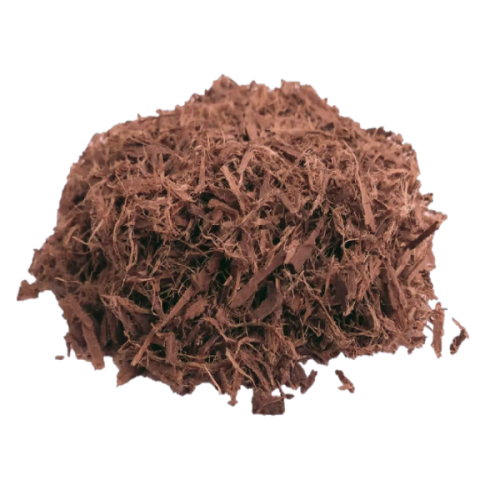
For those dealing with Mimosa Hostilis Root Bark, knowing ways to assess good quality is critical. Significant-top quality content, particularly authentic Brazillian Mimosa Hostilis Root Barks, commonly exhibits certain features:
The visual visual appeal need to demonstrate a clear difference concerning the outer and internal bark, Along with the inner bark exhibiting deep, lively shades. The material must have a attribute earthy, marginally sweet aroma, no cost from musty or moldy notes. When processed, the bark should produce a good powder whilst sustaining its fibrous construction right until grinding. Thoroughly dried bark should be brittle although not dusty, indicating correct dampness information.
Regularly Questioned Inquiries (FAQs)
1. What's the distinction between Mimosa Hostilis Root Bark from Brazil and other areas?
Brazilian Mimosa Hostilis Root Bark is mostly regarded excellent as a result of exceptional rising conditions in northeastern Brazil, which end in better concentrations of Lively compounds. The standard harvesting solutions employed Within this region also lead to the general high quality and potency of the final product.two. How must I retail store Mimosa Hostilis Root Bark to maintain its excellent?
Shop the bark in a awesome, darkish, and dry position in an airtight container. Safety from light-weight, humidity, and Excessive temperature fluctuations can help preserve the bark's chemical integrity and stop degradation of its Lively components.3. Is Mimosa Hostilis an endangered species?
No, Mimosa tenuiflora is just not at present shown as an endangered species. In reality, It really is known for its resilient expansion and talent to thrive in complicated conditions. Even so, accountable harvesting techniques are still important to ensure the sustainability of wild populations.4. Can I increase Mimosa Hostilis beyond its native habitat?
While Mimosa tenuiflora thrives ideal in its indigenous tropical local climate, it may be cultivated in related environments. The tree needs well-drained soil, plenty of daylight, and protection from frost. However, the chemical profile of cultivated specimens may possibly differ from wild-harvested Brazilian materials.five. What is the lawful standing of Mimosa Hostilis Root Bark?
The authorized status may differ noticeably by state and jurisdiction. In some sites, the Uncooked bark is lawful to have, when Premium Mimosa Hostilis in Other people, unique extracts or preparations may very well be regulated. Always investigation and comply with local regulations and polices prior to buying or using any botanical compound.Knowledge Mimosa Hostilis Root Bark, especially the quality Brazillian Mimosa Hostilis Root Barks, needs appreciation of its botanical properties, regular context, and appropriate purposes. Irrespective of whether for study, craftsmanship, or botanical research, this exceptional plant content carries on to generally be a subject of desire throughout numerous fields, although always inside appropriate authorized and moral boundaries. Report this wiki page